Arrow Flag: Graphics for Crafts and Small Business Branding
As a brand designer, I often look for graphic design assets that can elevate small business branding without overwhelming the message. The Arrow Flag is one such asset that offers versatility and visual appeal for local businesses, especially those in the crafts and handmade sectors.
The First Impression of Arrow Flag
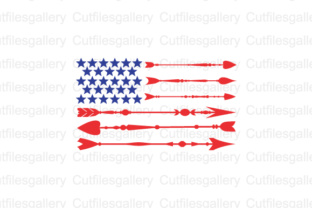
Arrow Flag immediately conveys a sense of direction and movement. Its clean lines and minimalist shape suggest a modern, forward-thinking brand personality. This makes it ideal for businesses looking to communicate progress, clarity, or innovation. Whether used in a bakery’s packaging or a skincare brand’s label, Arrow Flag adds a subtle yet impactful visual element.
The design feels approachable and professional, making it suitable for both casual and upscale brands. It doesn’t lean too heavily into any single aesthetic—whether you’re aiming for a rustic, playful, or elegant vibe, Arrow Flag can adapt with the right color choices and typography.
Real-World Applications for Local Businesses
Arrow Flag is more than just a decorative element—it’s a practical tool for small business branding. From logo design to product labels, this graphic design asset can be integrated into various touchpoints. For example, a coffee shop could use it as a background on their menu graphics or as a decorative accent on their takeout cups.
For handmade businesses, Arrow Flag can serve as a signature element on stickers, hang tags, or thank-you cards. Its scalable nature makes it perfect for product mockups, where it can add a cohesive visual thread across different materials. A florist might use it on seasonal packaging, while a candle brand could incorporate it into their website banners or social media graphics.
Its SVG, DXF, and PNG formats ensure compatibility with most design software, including Silhouette Cameo and Cricut. This makes it an excellent choice for DIY entrepreneurs who need printable design elements for custom projects.
Supporting Business Presentation with Arrow Flag
When used thoughtfully, Arrow Flag enhances the overall presentation of a brand. It contributes to a stronger first impression by adding a polished visual element to product packaging or marketing visuals. This is especially important for small businesses competing in crowded markets.
The asset also helps create a clearer visual hierarchy. By using Arrow Flag as a secondary design element, you can guide the viewer’s eye toward key information like product names, prices, or call-to-action text. This improves customer trust and makes your branding feel more professional.
Consistency is another benefit. When used across multiple platforms—such as social media posts, email newsletters, and physical packaging—Arrow Flag reinforces brand identity. It becomes a recognizable symbol that strengthens the emotional connection between the customer and the brand.
Where Arrow Flag Shines in Design Projects
Arrow Flag works best in situations where it complements the main message without overshadowing it. For instance, it can be used as a product label accent, a hero graphic on a website banner, or a decorative element in a seasonal campaign. Its simplicity allows it to blend seamlessly into a variety of design contexts.
In packaging design, Arrow Flag can act as a subtle brand marker. A boutique store might use it on the back of a product box or as part of a branded envelope. For a handmade soap business, it could appear on a printable insert inside each product package, reinforcing the brand’s attention to detail.
Social media campaigns also benefit from Arrow Flag. As a graphic for Instagram stories, Facebook ads, or Twitter posts, it adds visual interest without being distracting. It’s a great way to maintain brand consistency across digital platforms.
When to Use Arrow Flag with Caution
While Arrow Flag is versatile, there are scenarios where it may not be the best choice. In formal corporate branding, its minimalism may not convey the level of sophistication required. Similarly, in very small labels or crowded layouts, it could become lost or unclear.
It should also be avoided in areas where legal information or ingredient lists are present. Low-contrast backgrounds or luxury minimalist brands may also find Arrow Flag too bold or intrusive. Always consider how the design interacts with surrounding elements before finalizing a layout.
Practical Notes for Brand Designers
Before finalizing Arrow Flag for a client project, I recommend testing it on real packaging mockups. Check how it looks in black and white, on small labels, and alongside different font styles. Does it work with a serif font? A sans serif? A script or handwritten style?
Review the PNG transparency to ensure it works well on various backgrounds. Inspect the SVG and DXF files for editability, especially if you plan to modify the design for specific applications. Confirm that the commercial license covers all intended uses, whether for client work, physical product sales, or digital marketing.
Finally, compare Arrow Flag with competitor packaging to ensure it stands out without clashing. If it’s part of a larger brand identity system, make sure it aligns with the overall visual language of the business.
Conclusion: Arrow Flag as a Valuable Graphic Design Asset
Arrow Flag is a solid addition to any small business branding toolkit. Whether you're working on product labels, packaging design, or social media graphics, it offers flexibility and visual impact. Its availability in SVG, DXF, and PNG formats ensures compatibility with a wide range of design workflows.
For local businesses, handmade sellers, and creative entrepreneurs, Arrow Flag provides a professional yet approachable design element that supports consistent branding and effective marketing. With careful consideration, it can become a key part of a successful visual strategy.